

MA Concentrations
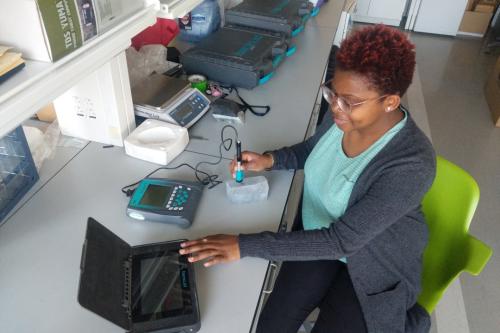
Many students choose to specialize in a particular anthropological field as a direct path to a professional career, a PhD in Anthropology or another professional field such as law or medicine. Students who choose a concentration complete a set of required courses as part of the 36-credit hours required for the MA program.
Curriculum details can be found on the general MA program webpage.
Questions? Contact the appropriate concentration advisor.
International Development
The 15-credit international development concentration provides perspective on the causes and consequences of world problems like hunger, health, economic globalization and forced migration, and prepares students for careers in development work or PhD training. Students with no prior professional experience are especially encouraged to find internships at local and international organizations. Note: It is possible to double-concentrate in International Development and Health, Science, Society.
Students in the International Development concentration gain skills including:
- Critical thinking, reading and speaking
- Analytical writing
- Critical literature review
- Research methods, especially short-term methods, for data collection
- Professional experience through a reflective internship and report
Health, Science, and Society
Health, Science, and Society focuses on cross-cultural patterns of health, illness and healing within the context of cultural change. This 15 credit hour concentration, within the overall MA program of 36 credit hours, offers two focus areas: Medical Anthropology and Science and Technology Studies. Each focus area requires a cornerstone seminar.
- Alumni Profiles
MA program alumni with Health, Science, and Society concentrations and Medical Anthropology focuses
Museum Training
The museum training concentration prepares students for the scholarly and curatorial side of museum work. Students complete 12 of the required 36 master’s credits through museum-related courses offered by GW Anthropology or the GW Museum Studies Program.